Health and Safety Policy for Hedge Trimmer Use
 This Health and Safety Policy outlines safe working practices for anyone who operates a hedge trimmer or related hedging tools. The purpose is to reduce the risk of injury, protect bystanders, and ensure reliable, well-maintained hedge-trimming equipment. It applies to employees, contractors, and competent individuals undertaking hedge-cutting tasks, whether using electric, petrol or battery-powered hedge trimmers.
The
Scope and Responsibilities
identify roles and accountabilities. Supervisors must ensure risk assessments are completed, operators must use the correct PPE and safe techniques, and maintenance staff must keep blades sharp and guards functional. Management will provide training and resources, while operators are expected to follow safe work procedures and report hazards. Clear delegation of duties helps prevent misunderstandings and fosters a culture of safety around hedge trimming operations.![Close-up view of a gardener watering a vibrant flower bed in a backyard garden, featuring a variety of flowering plants with pink, purple, and yellow blossoms, bordered by lush green foliage. The garden surface includes neatly maintained grass and a paved pathway, with taller shrubs and small trees in the background, indicating a well-kept landscaped outdoor space typical of residential gardens in the UK. The gardener's gloved hand, holding a silver watering can, suggests ongoing garden maintenance, and the natural daylight highlights the bright, fresh appearance of the flowers and foliage. The scene reflects professional gardening services offered by Hedge Trimmer, prioritising outdoor lawn and plant care in a rural or suburban setting near [POSTCODE], [TOWN].](/pub/_photos/gardening/f1406124032.jpg) A fundamental element of the policy is risk assessment. Before any hedge trimming task begins, conduct a site survey to identify hazards such as hidden utilities, uneven ground, overhead lines, or wildlife. Assess the hedge-trimmer type required for the job and determine whether mechanical access (ladders, platforms) or isolation of power sources is needed. Use a simple checklist to record findings and control measures.
A fundamental element of the policy is risk assessment. Before any hedge trimming task begins, conduct a site survey to identify hazards such as hidden utilities, uneven ground, overhead lines, or wildlife. Assess the hedge-trimmer type required for the job and determine whether mechanical access (ladders, platforms) or isolation of power sources is needed. Use a simple checklist to record findings and control measures.
The policy emphasizes
Personal Protective Equipment (PPE)
as essential. Operators must wear sturdy gloves, eye protection, hearing protection for noisy tools, and appropriate footwear. Long sleeves and durable trousers minimize cuts and scratches. When using petrol-powered or heavy battery hedge trimmers, consider cut-resistant gloves and face protection. PPE should be inspected before use and replaced when damaged.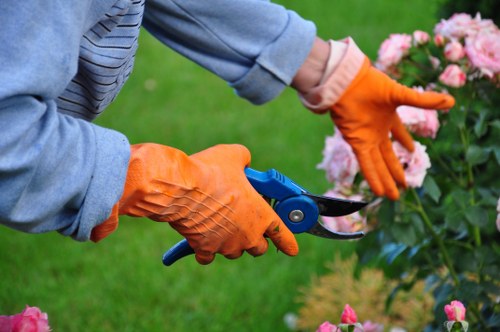 Safe operation protocols require that the operator inspects the hedge cutter before starting: check guards, handle security, cable condition for corded units, and ensure blades are lubricated and sharp. Never use a hedge trimmers with loose components or cracked housings. Secure the work area, cordon off if necessary, and keep children and the public at a safe distance. When using cordless or petrol models, observe safe fuel handling and battery charging practices to avoid spills and fires.
Working techniques influence safety: maintain a stable stance, avoid overreaching, and position the tool so the cutting blade moves away from the body. Use both hands on the hedge trimming tool, and never disable guards or safety cut-outs. For tall hedges, use appropriate platforms or long-reach hedge trimmers rather than standing on unstable surfaces. If vegetation conceal nests or animals, stop work and allow trained personnel to handle the situation.
Maintenance and storage are critical to long-term safety. Establish a routine schedule for blade sharpening, lubrication, and replacement of worn parts. Keep maintenance records to ensure continuity and accountability. Store hedge-cutting equipment in a secure, dry location away from unauthorized users; blades should be covered and petrol stored in approved containers. Regular maintenance reduces the chance of mechanical failure and operational hazards.
 Emergency procedures must be clear and accessible. In the event of an injury, stop work immediately, isolate the tool, and provide first aid. Operators should know basic first aid for lacerations and eye injuries and how to summon professional medical assistance when necessary. Report all incidents and near misses to permit analysis and improvement of the policy and practices.
![A woman in a pink hat and gardening gloves is pruning or shaping a lush, yellow-green hedge in a well-maintained garden, with a focus on the dense foliage. The garden features a neatly trimmed lawn with vibrant green grass in the foreground, contrasting with the darker, shaded areas near the base of the hedge. Behind her, tall trees with light green leaves provide dappled sunlight, creating a bright outdoor environment typical of gardens in the UK. To the right in the background, a blue watering can is placed on the grass, indicating ongoing gardening activities. The garden layout includes a mix of shrubbery, open lawn spaces, and natural light, suggesting a landscaped yard designed for outdoor enjoyment and maintenance. This scene aligns with gardening and landscaping services offered by Hedge Trimmer, emphasizing shrub trimming and garden upkeep in a typical residential setting close to [POSTCODE] in [TOWN]. The weather appears clear and sunny, contributing to a lively and productive outdoor atmosphere, ideal for professional garden care services.](/pub/_photos/gardening/f1451962792.jpg) Training and competence are mandatory. Provide practical instruction on safe tool handling, hazard recognition, and maintenance practices. Emphasize periodic refresher sessions, especially when new equipment types are introduced. Operators should be assessed for competence and supervised until they demonstrate safe and consistent use of the hedge cutter. Training should cover variations such as manual hedge trimming, powered hedge trimmers, and pole-mounted hedge cutters.
Training and competence are mandatory. Provide practical instruction on safe tool handling, hazard recognition, and maintenance practices. Emphasize periodic refresher sessions, especially when new equipment types are introduced. Operators should be assessed for competence and supervised until they demonstrate safe and consistent use of the hedge cutter. Training should cover variations such as manual hedge trimming, powered hedge trimmers, and pole-mounted hedge cutters.
Supervision and monitoring ensure the policy is followed. Supervisors should perform spot checks, review maintenance logs, and verify PPE compliance. Use simple observation checklists to monitor safe behaviors and identify training needs. Encourage reporting of unsafe conditions without blame to maintain continuous improvement.
Environmental considerations are part of safe operations: manage cuttings responsibly, avoid damaging adjacent plants and habitats, and schedule noisy operations to minimize disturbance. When trimming in protected areas, apply extra precautions to protect wildlife and adhere to any site-specific restrictions that safeguard biodiversity.
The policy will be reviewed periodically to reflect technological advances in hedge-trimming equipment and emerging best practices. Commitment to safety requires cooperation from everyone involved: clear roles, effective risk controls, appropriate PPE, regular maintenance, and ongoing training. Together, these measures create a robust safety culture for hedge cutting and the use of hedge trimming machinery.